
Maritime Sector
The sea is our first testing ground: mixed fleets, long operational cycles, safety constraints, and limited technical spaces.
With the EcoImprove upstream retrofit, we optimize the combustion of diesel engines in fishing boats, ferries, tugboats, and tankers, improving energy efficiency without stopping the ship.
The installation is non-invasive on the fuel line; results are traceable via dashboard and ready for audits, tenders, and ESG reporting. Our logic is repair-don’t-replace: extend the useful life of assets, increase efficiency and compliance, and accelerate a realistic transition for the fleet, even on powers in the order of 2,500 HP.
Railway Sector
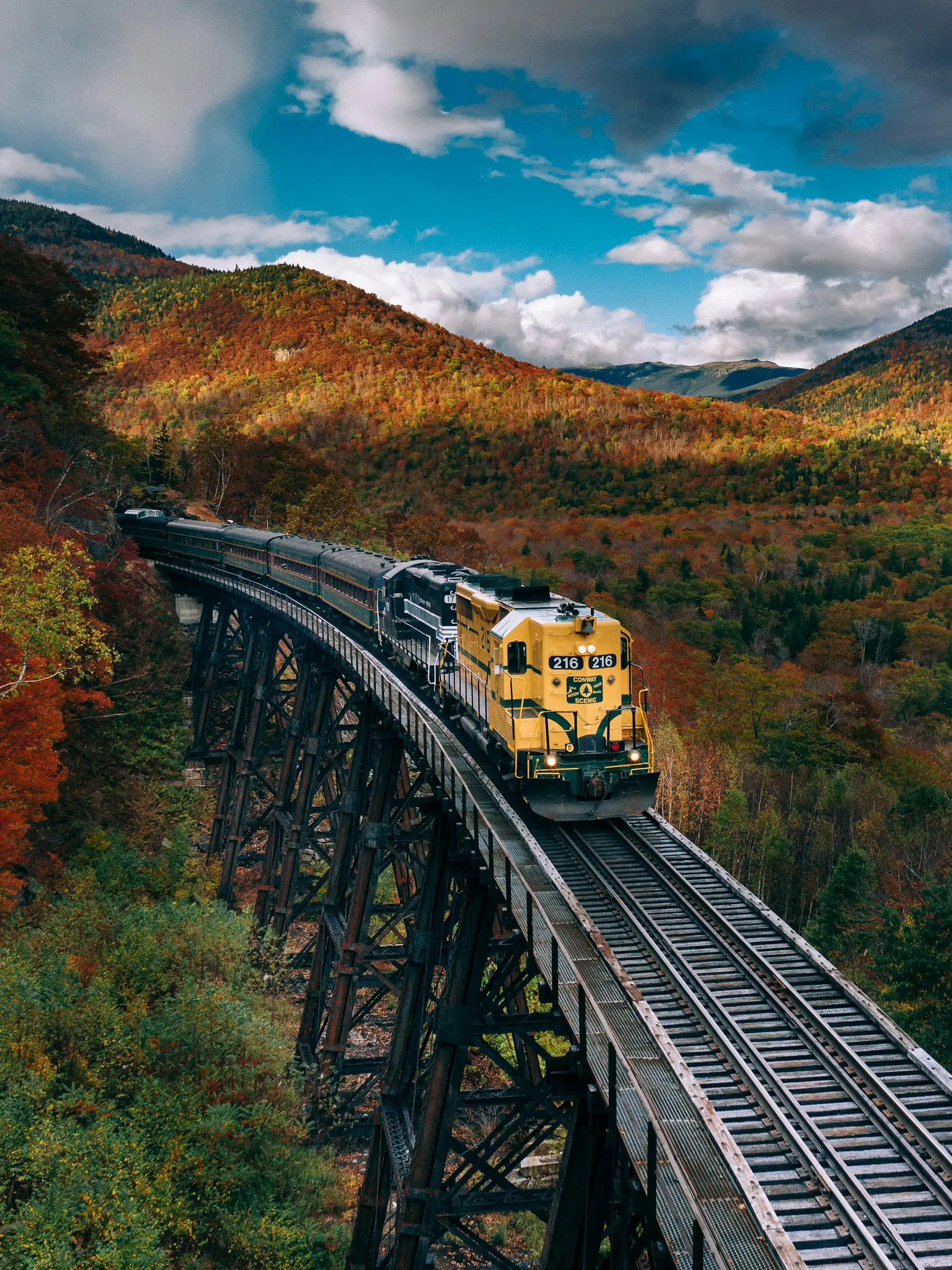
In the railway sector, we work on locomotives and maintenance vehicles for infrastructure: milling machines, tampers, and locomotives that operate in harsh scenarios with tight schedules.
The upstream retrofit allows targeted interventions with high uptime, improving oxidation in the chamber and reducing pollutants at the source. We bring repeatable measurements, technical documentation, and standardization packages for replication across fleets and depots.
The result is improved energy efficiency and better air quality in the railway environment, with direct benefits on operational costs and ESG KPIs, while maintaining service continuity as a project priority.
Industrial Sector
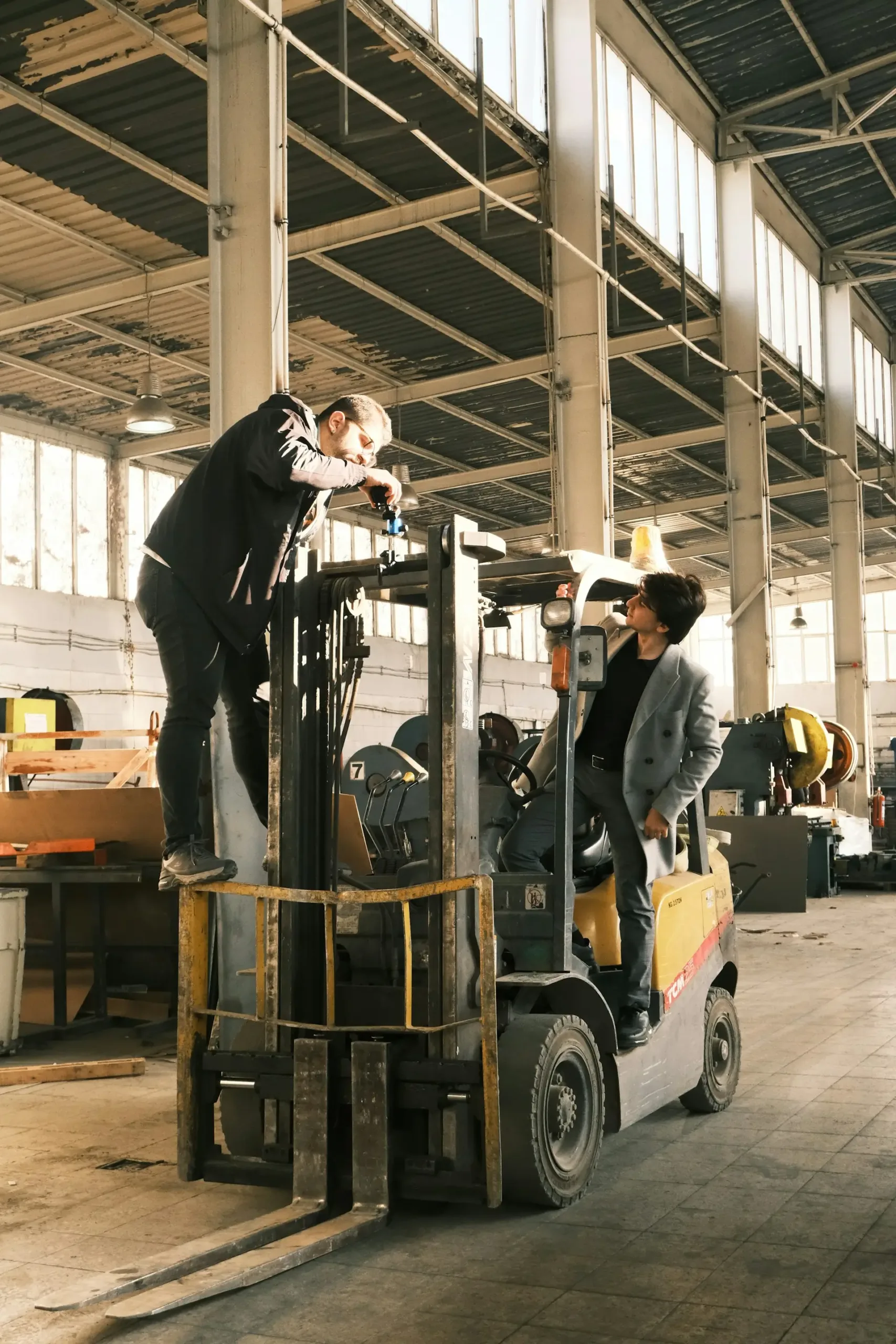
In the industrial sector, we focus on assets that “cannot stop”: plant generators, forklifts, and handling equipment.
The EcoImprove upstream retrofit increases combustion efficiency, reduces CO – HC – PN – PMP, improving energy efficiency without structural modifications. The intervention is modular, replicable across multiple sites, and compatible with ATEX contexts when required.
With field data and dashboards, we interpret usage patterns (loads, shifts, peaks), supporting decisions on predictive maintenance and energy. The goal is clear: more plant availability, lower emission footprint per unit produced, and documented compliance for audits and certifications.
Energy Sector
Generator sets are the backbone of many critical operations, from backup to primary generation.
We operate on sets up to 10,000 kVA with upstream retrofit: we intervene on the fuel before injection to improve oxidation in the chamber and cut pollutants at the source.
The installation is fast, standardizable for sizes and brands, and monitorable via dashboard to measure specific consumption, PN, and CO in different load regimes. The result: less fuel burn per kWh and reports ready for ESG, specifications, and authorization processes.
The repair-don’t-replace logic allows for quick returns compared to early asset replacement.
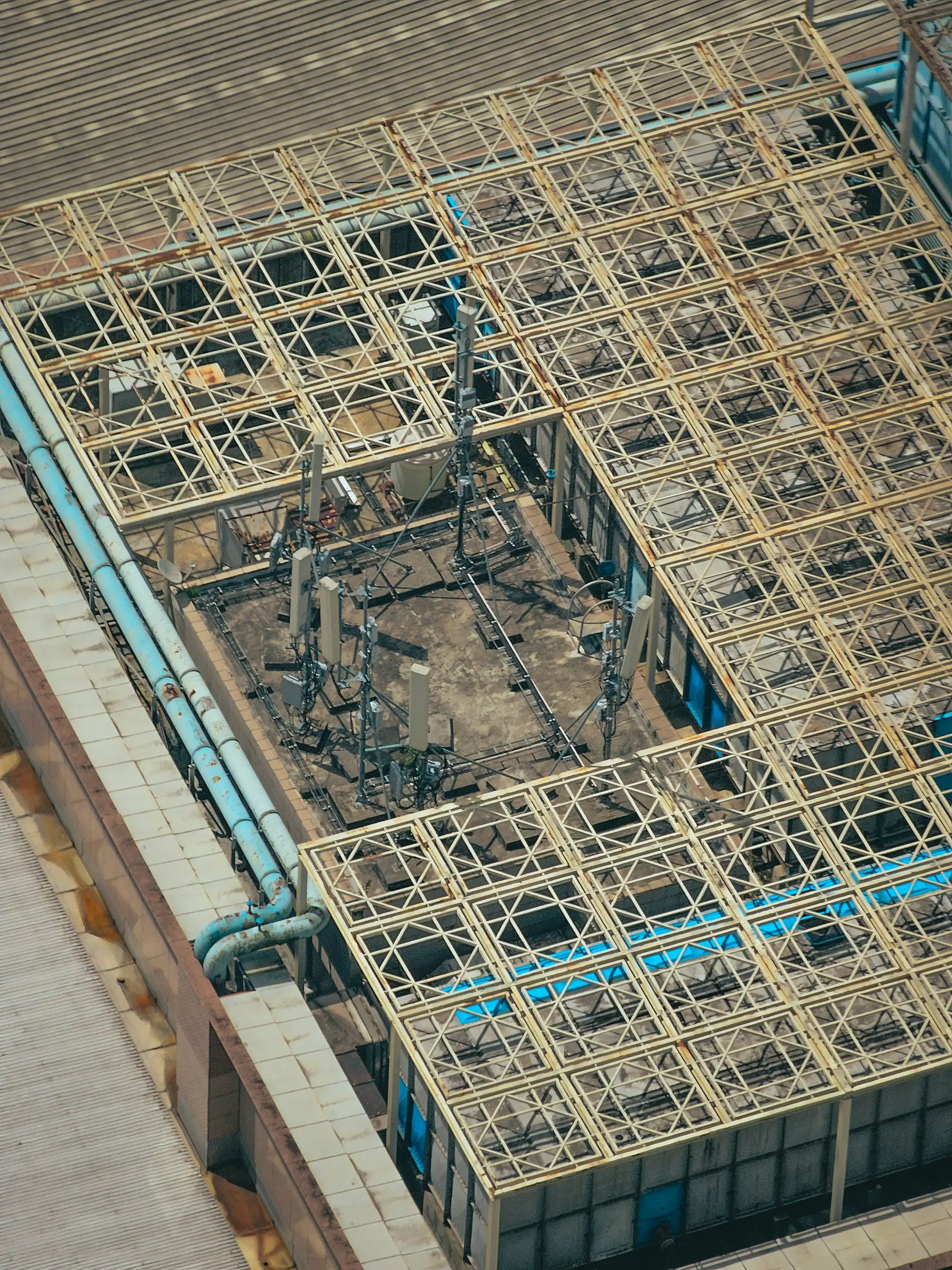

Telecommunications Sector
Radio links and repeaters often work in remote sites, with generator sets that must always start.
Here, the upstream retrofit brings a concrete advantage: more efficiency, less residue in the chamber, lower localized emissions.
The installation is non-invasive, suitable for towers with complex access, and allows – with equal performance – to reduce the consumption of fuel transported to altitude or by helicopter.
With continuous monitoring, we record trends, start-up cycles, and delivery stability, offering managers and operators a set of KPIs for maintenance and environmental audits. Fewer refuels, more autonomy, and traceability of impact on each site.
Construction equipment and
agricultural machinery
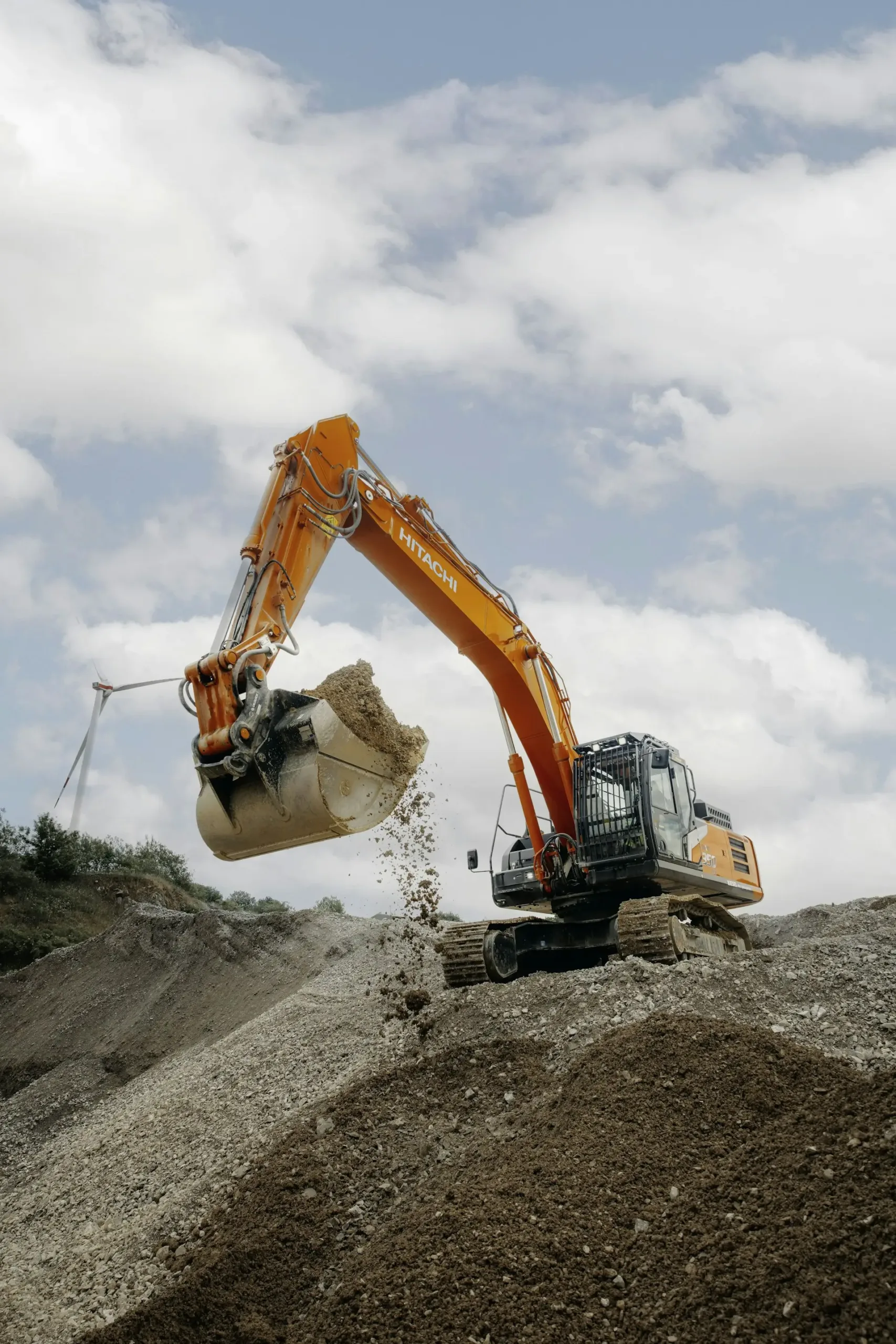
Quarries, construction sites, agriculture: harsh environments, dust, variable loads. We work on dumpers, excavators, loaders, cranes, concrete mixers, and aerial platforms; ADR/ATEX versions are available for high-risk contexts.
With upstream retrofit, we optimize combustion without modifying the engine, reducing CO – HC – PN – PMP and improving efficiency under load.
The solution is modular and replicable across the fleet, with staff training and control sheets for shifts and usage. Continuous measurement allows correlating duty-cycle and savings, providing solid bases for HSE plans, tenders, and ESG reporting in large construction sites and the agricultural supply chain.